About Insulating Flange Assembly
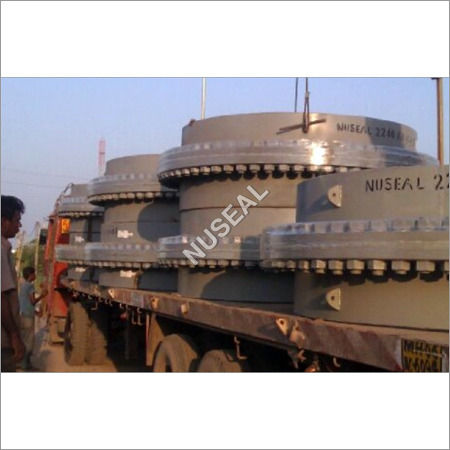
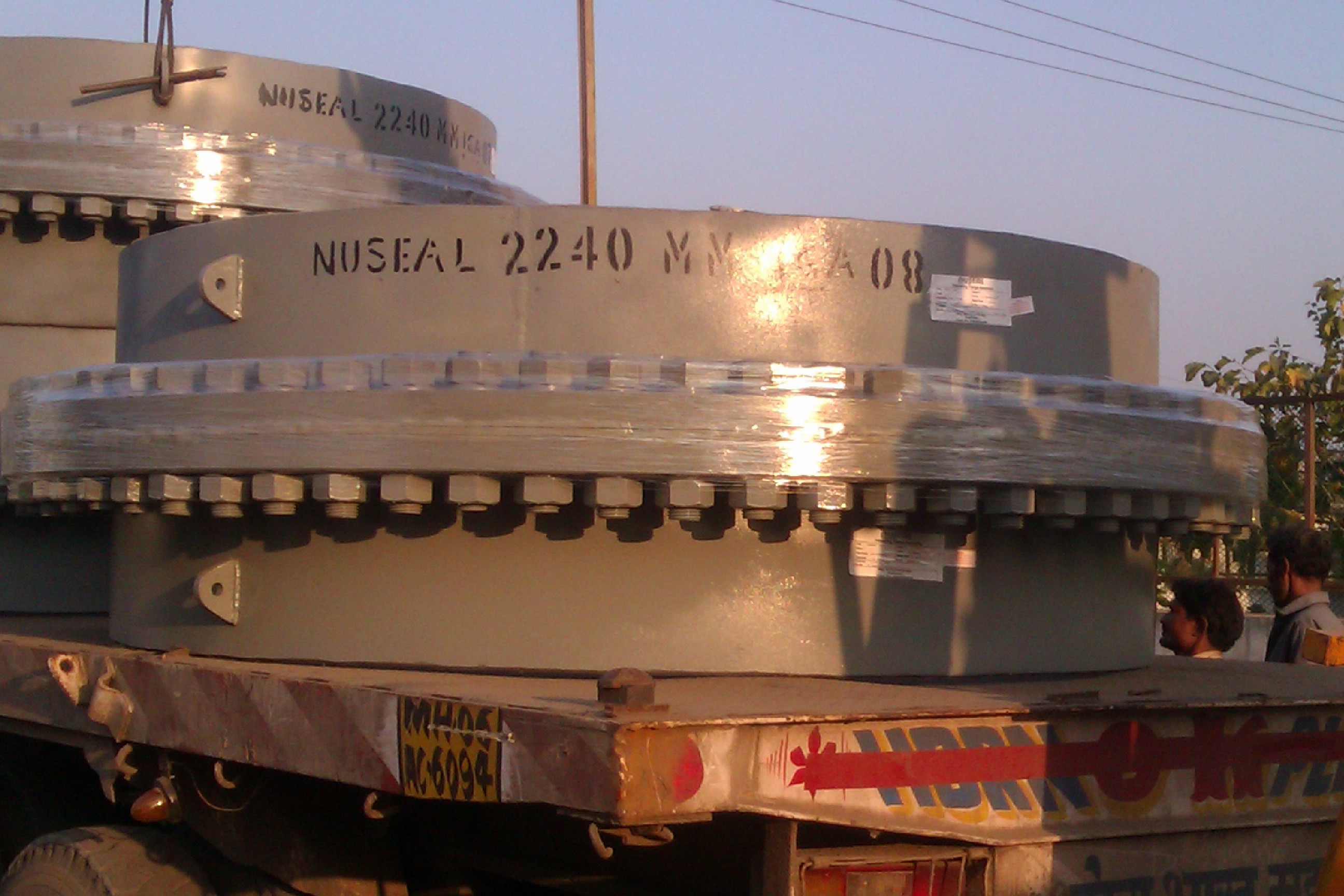
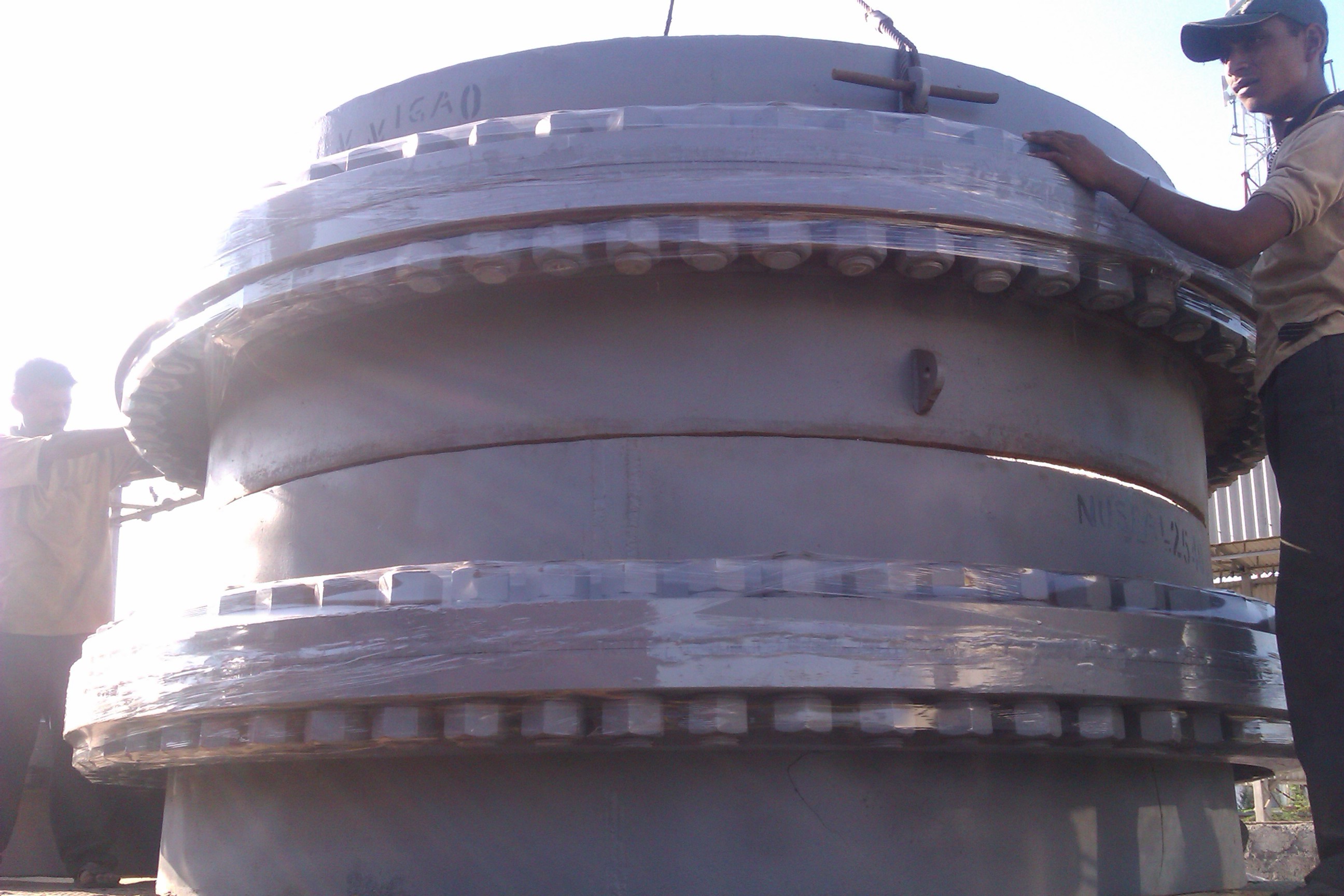
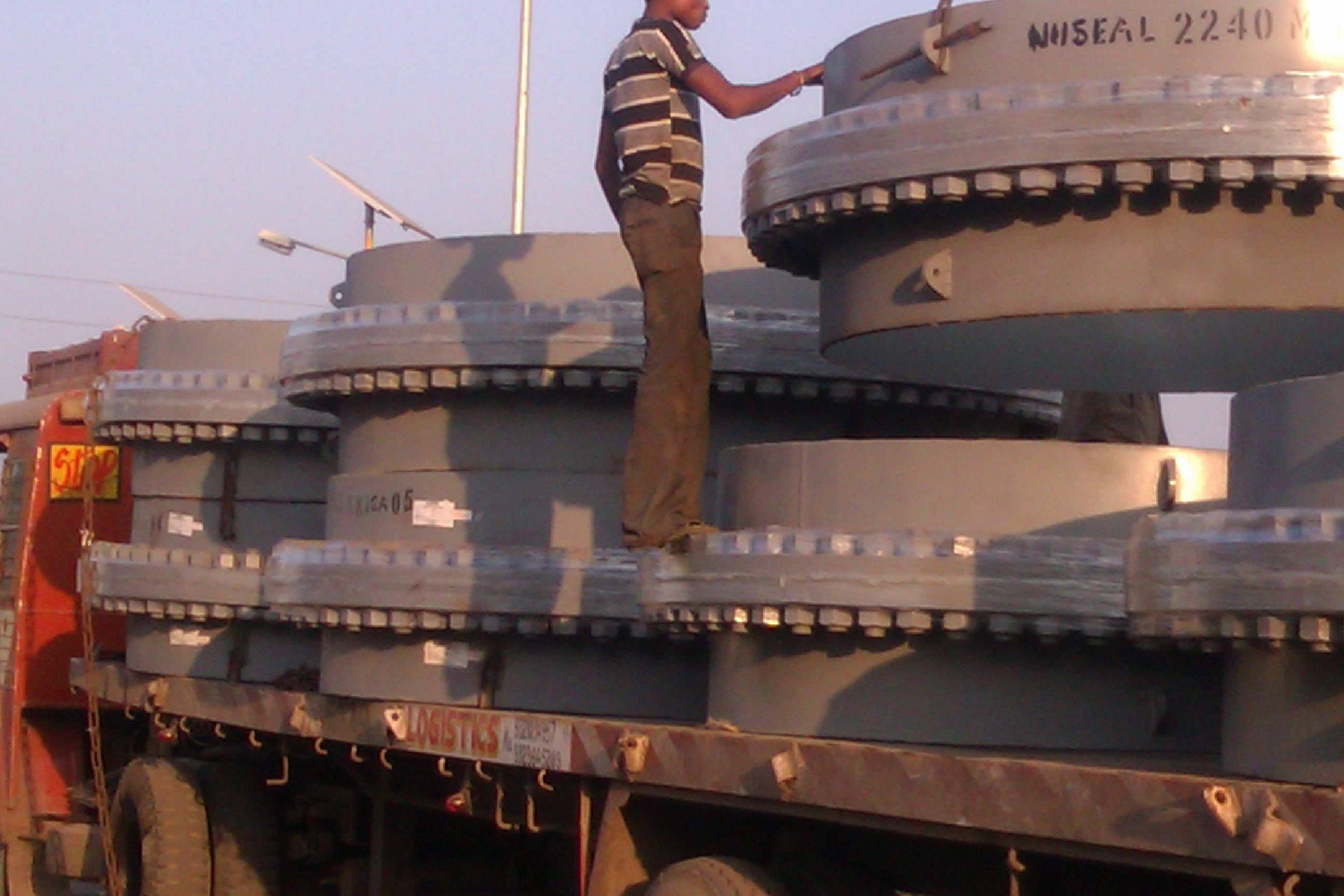
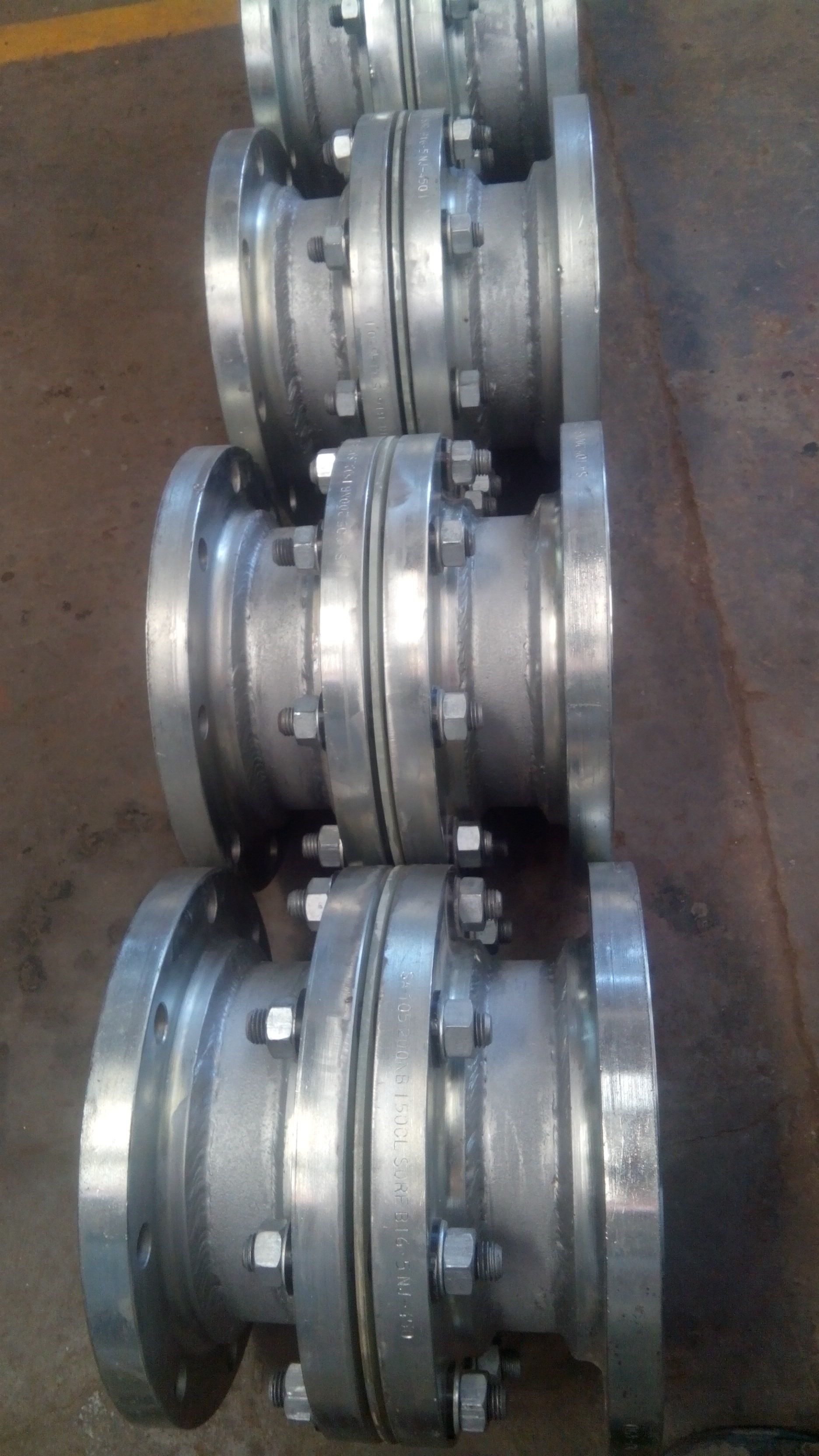
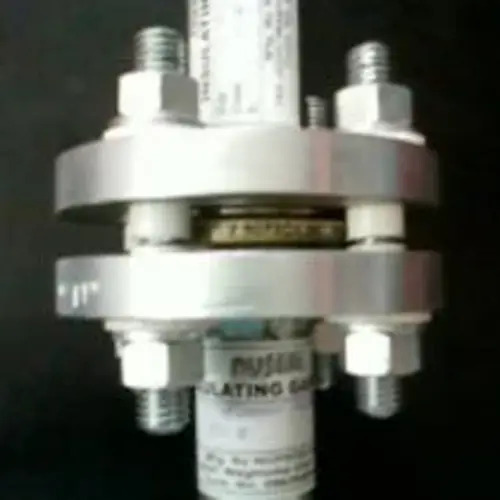
We are acknowledged as one of the most reputed organizations in this industry, engaged in manufacturing and exporting a wide assortment of Insulating Flange Assembly. Offered flange assembly is manufactured using supreme quality material and cutting-edge tools in conformity with set industry norms. The offered Insulating Flange Assembly is specially designed to get complete electrical insulation of flanged joints of heater and process piping connections.
Features of Insulating Flange Assembly :
- Outstanding seal ability
- Pressure resistivity
- Resistance to chemicals
Product Specification
|
Size
|
Upto 100 Inch
|
|
Rated Pressure (Bar)
|
150 to 2500
|
|
Material Standard
|
ASTM A105, ASTM A182, ANSI B16.5
|
|
Brand
|
Nuseal
|
|
Origin
|
Made In India
|
|
Deals In
|
New Product only
|
Technical Details 
Superior Corrosion Protection and Electrical IsolationThe assembly isolates metal pipeline sections, preventing galvanic corrosion. Dielectric gaskets and coated bolts create a high-resistance barrier, ensuring long-term durability and preserving pipeline integrity in harsh environments such as offshore platforms, refineries, and power plants.
Custom Solutions for Diverse ApplicationsManufactured to stringent ANSI, DIN, API, JIS, and BS standards, our assemblies fit a range of pipeline sizes (" to 60"), pressure classes (1501500), and materials (carbon steel, stainless steel, alloy steel). We offer custom dimensions to suit unique project requirements, supporting global oil & gas infrastructure.
Engineered for Safety and ReliabilityPrecision forged or cast components guarantee high strength and leak-proof seals, while Ra 3.2 6.3 m flange face finishes ensure tight connections. Their high purity and electrical resistance (>10 Ohms) are ideal for cathodic protection systems, minimizing risk of electrical faults or corrosion-related failures.
FAQs of Insulating Flange Assembly:
Q: How does an insulating flange assembly work in pipeline cathodic protection?
A: The assembly uses a dielectric gasket and coated bolts/nuts to interrupt electrical continuity between pipeline sections. This prevents stray current flow, thereby eliminating galvanic corrosion and supporting cathodic protection systems in safeguarding pipeline integrity.
Q: What are the available bolt and nut coating options for this assembly?
A: We offer bolts and nuts with either PTFE or cadmium plating. Both coatings enhance corrosion resistance; PTFE provides chemical inertness, while cadmium offers excellent durability in saline or industrial environments.
Q: When should insulating flange assemblies be used in a project?
A: They are essential wherever electrical isolation is necessary to protect pipeline systemsparticularly in oil & gas, petrochemical plants, and refineriesto prevent corrosion between different metal sections or when interfacing with monitoring or cathodic protection equipment.
Q: Where can these assemblies be installed?
A: Insulating flange assemblies are suitable for installation on above-ground or underground pipelines, at facility boundaries, connection points between different metallic systems, and locations sensitive to galvanic activity or stray currents.
Q: What is the typical process for installing this flange assembly?
A: Installation involves proper alignment of the insulating gasket and sleeves, securing with coated bolts/nuts, and tightening according to specified torque. It is essential to verify flange face cleanliness and finish, ensuring the assembly provides electrical isolation and leak-proof performance.
Q: How does the custom dielectric strength and thickness benefit users?
A: Customizing dielectric strength and gasket thickness (35 mm) allows adaptation to specific voltage resistance and sealing requirements, optimizing isolation performance and ensuring compatibility with varying pipeline pressures and standards.
Q: What are the main advantages of using this product?
A: Key benefits include high corrosion resistance, effective electrical isolation (>10 Ohms), leak-proof connections, compatibility with international standards, and longevityeven under demanding oil & gas, refinery, and power plant conditions.






 Send Inquiry

 Send Inquiry

 Send Inquiry
 Send SMS