About Monolithic Insulating Joints
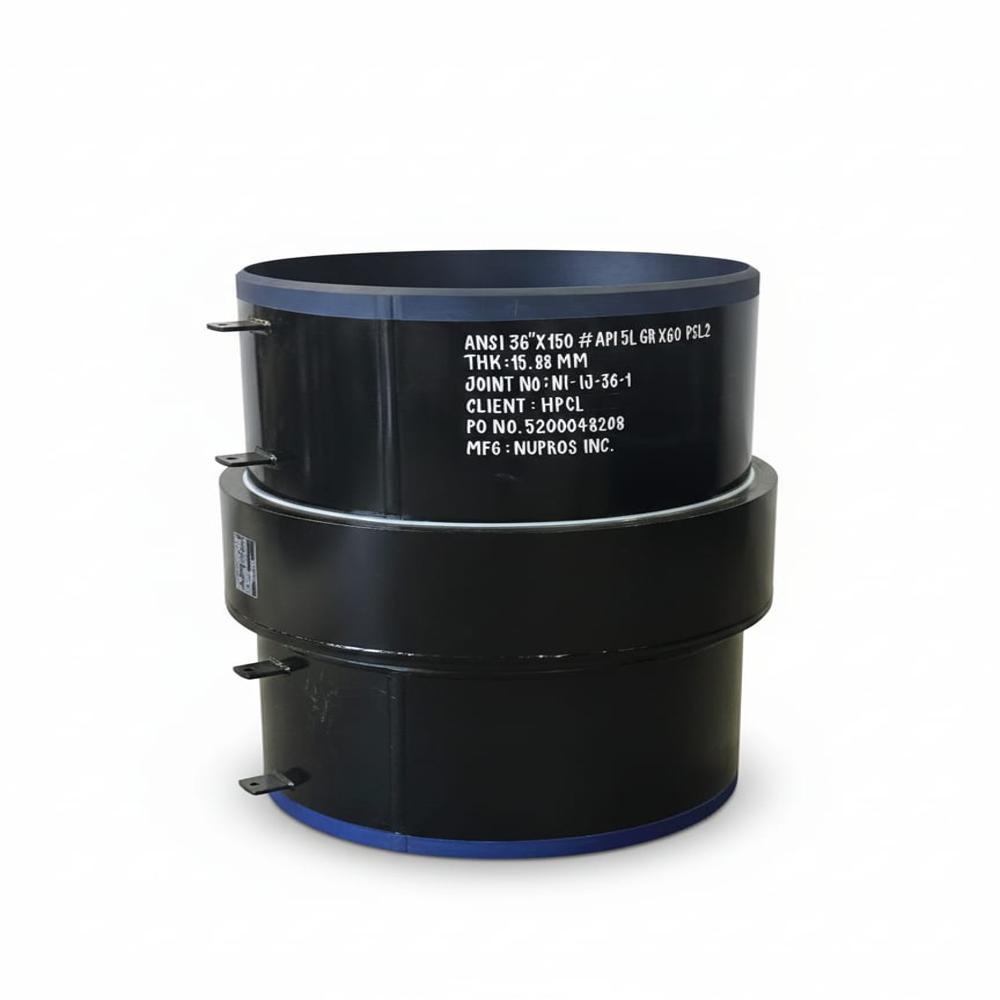
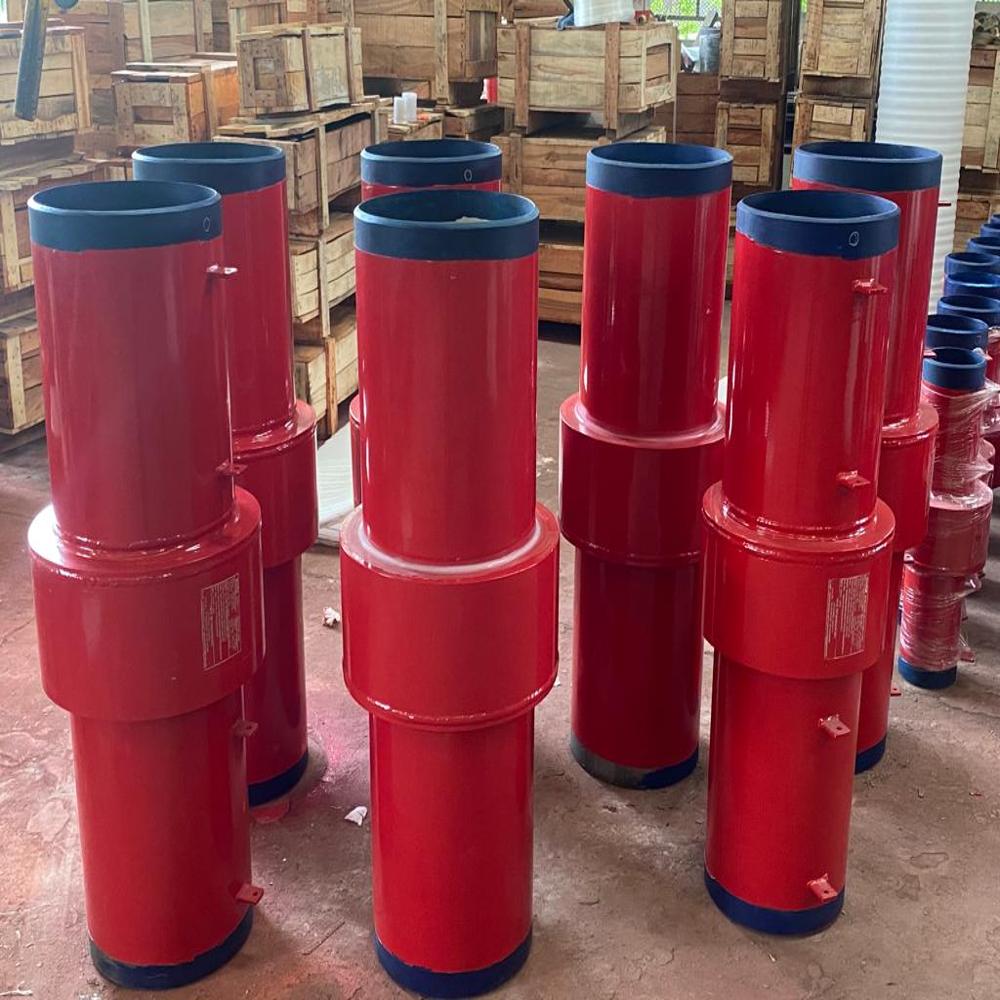
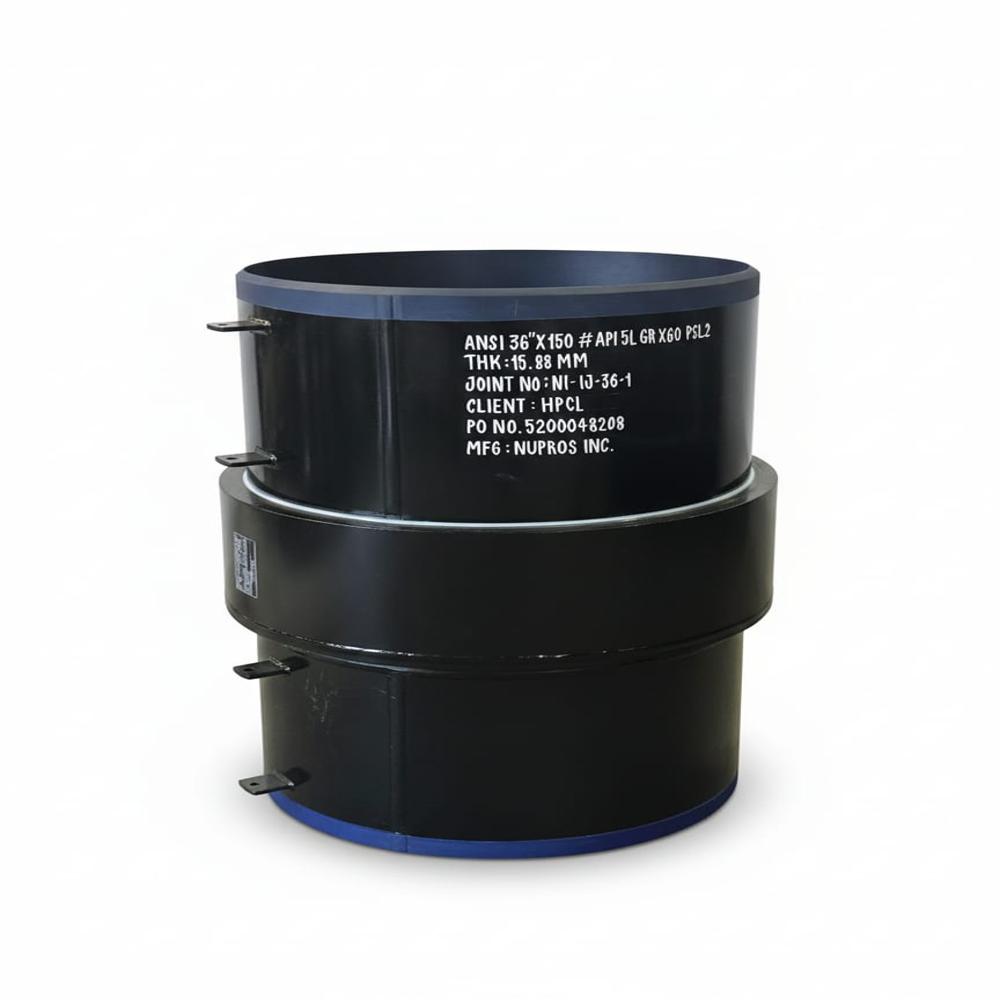
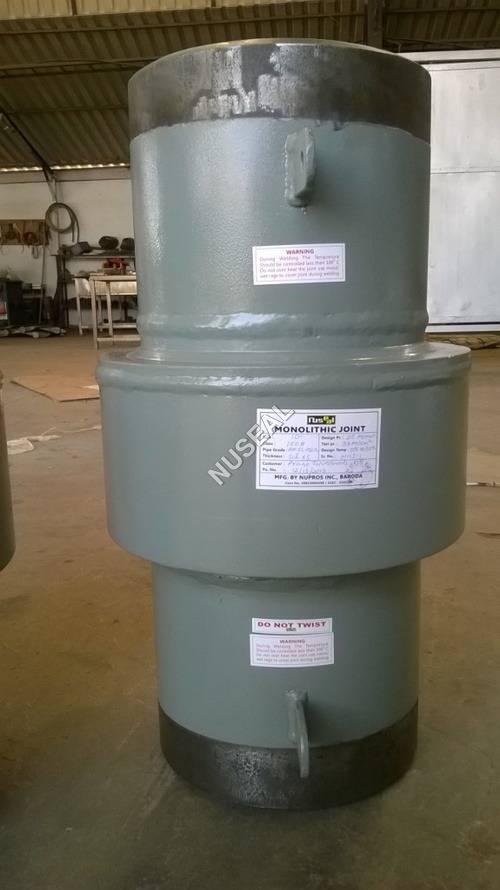
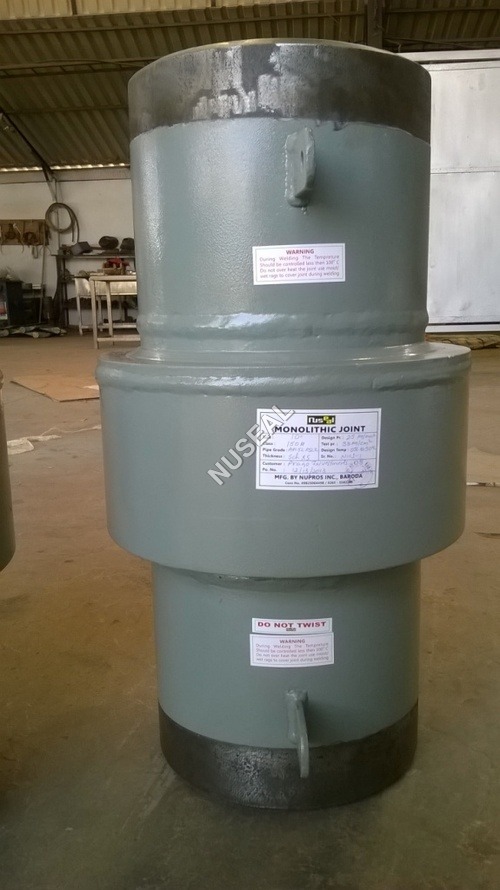
Monolithic Insulating Joints is an isolation device which acts as a shock absorbent and insulator against electric charge. The material inside this joint attracts electric charge to avoid corossion by achieving cathode protection. It is used in various pipeline industries such as oil/gas and water. It is also used in ships and concrete construction such as bridges. Monolithic joints avoids the use of components like flange and gaskets. The various advantages of this joint are eliminates short circuits, low cost and eliminates field assembly. It ensure safe flow of fluids in distribution and transmission piping systems and require very less maintenance.
Product Specification of Monolithic Insulating Joints
|
Thickness
|
as per Clients specification
|
|
Max Withstanding Temperature
|
100Deg C
|
|
Usage/Application
|
Cross Country Pipelines
|
|
Color
|
as per Clients specification
|
|
Brand
|
NUSEAL
|
|
Size
|
1/2" to 60"
|
|
Electrical Conductivity
|
as per Clients specification
|
|
Features
|
Excellent Electrical Isolation
|
Technical Details ![]()
Superior Electrical Isolation and Corrosion ProtectionMonolithic Insulating Joints serve as critical barriers to electrical continuity in pipeline systems. Designed for cathodic protection, they help prevent stray current interference and extend pipeline longevity. The high dielectric strength and robust insulation resist currents up to 40kV AC, making them ideal for demanding applications in oil, gas, and water pipelines.
High Strength and DurabilityConstructed from quality carbon steel, stainless steel, or alloy steel, these joints exhibit excellent mechanical strength, handling high working pressures up to 250 bar and severe axial, bending, and torsional loads. Specialized fire-safe insulation and waterproof IP68 ratings (on request) ensure all-condition reliability and safety compliance.
Customizable Solutions for Diverse ApplicationsWith options for flanged, welded, or threaded end connections and a size range from DN15 to DN2000, our monolithic insulating joints are tailored to fit any pipeline specification. Multiple coatings such as epoxy or polyurethane guarantee outdoor durability, while custom widths, thicknesses, and color options match project and client requirements.
FAQ's of Monolithic Insulating Joints:
Q: How are monolithic insulating joints installed in pipeline systems?
A: These joints are pre-assembled and must be installed according to the manufacturer's guidelines, typically positioned between pipeline sections to ensure complete electrical discontinuity. Proper alignment and secure fastening using the specified flange, weld, or thread type are essential for optimal performance.
Q: What are the main benefits of using high dielectric strength insulating materials in these joints?
A: High dielectric strength materials like epoxy resin or phenolic ensure superior electrical isolation, minimizing the risk of stray current corrosion. This extends the operational life of pipelines and protects sensitive equipment in cathodic protection systems.
Q: When should fire-resistant or waterproof options be specified?
A: Fire-safe insulation and IP68 waterproof ratings should be selected based on project conditions requiring enhanced protection against extreme environments or potential hazards. These options are available upon client request for higher safety and compliance.
Q: Where are monolithic insulating joints commonly used?
A: They are widely deployed in oil, gas, and water pipelines, utility piping, and systems requiring cathodic protection. Their rugged build and high insulation capacity make them suitable for industrial, municipal, and energy infrastructure worldwide.
Q: What pressure and voltage can these joints withstand?
A: They operate reliably at pressures up to 250 bar (with hydrostatic testing at 1.5 times design pressure) and can withstand rated voltages up to 40 kV AC or as specified by the project, ensuring adaptability to high-stress scenarios.
Q: What maintenance is required for monolithic insulating joints?
A: These joints are designed to be maintenance-free under normal operating conditions. Routine pipeline inspections for external damage or coating wear are recommended to ensure ongoing performance and longevity.
Q: How does the joint's construction and coating enhance its durability?
A: Each joint features a single-piece welded body and an internal insulating layer, finished with high-quality anti-corrosive coatings like epoxy or polyurethane. This combination provides lasting protection against corrosion, mechanical stress, and environmental exposure.






 Send Inquiry

 Send Inquiry

 Send Inquiry
 Send SMS
 Call Me Free