About Monolithic Isolation Joints
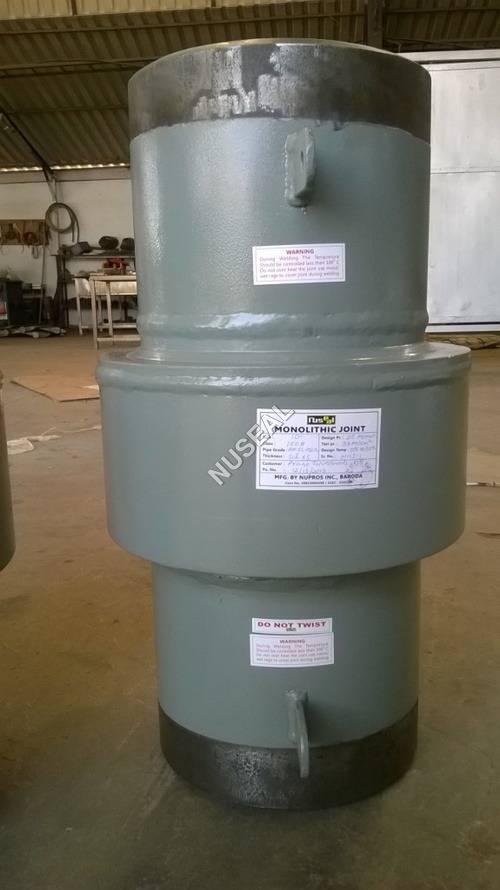
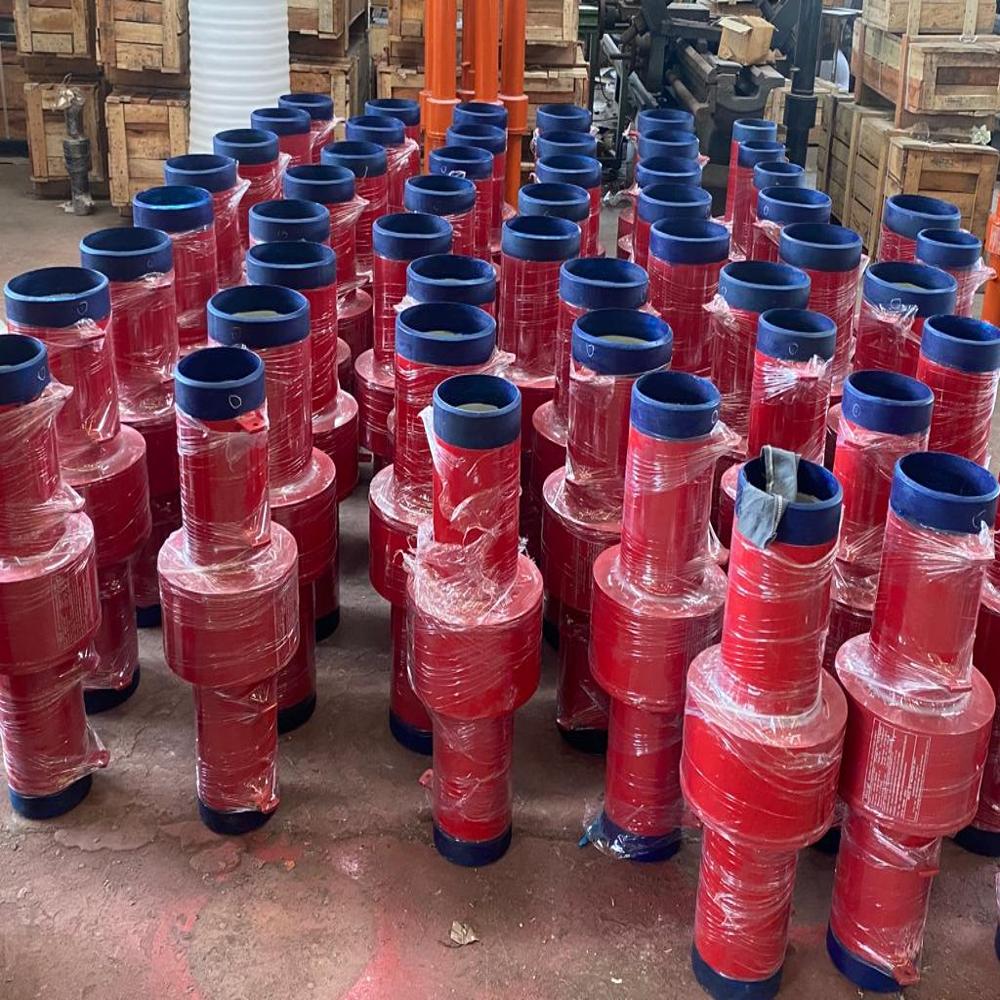
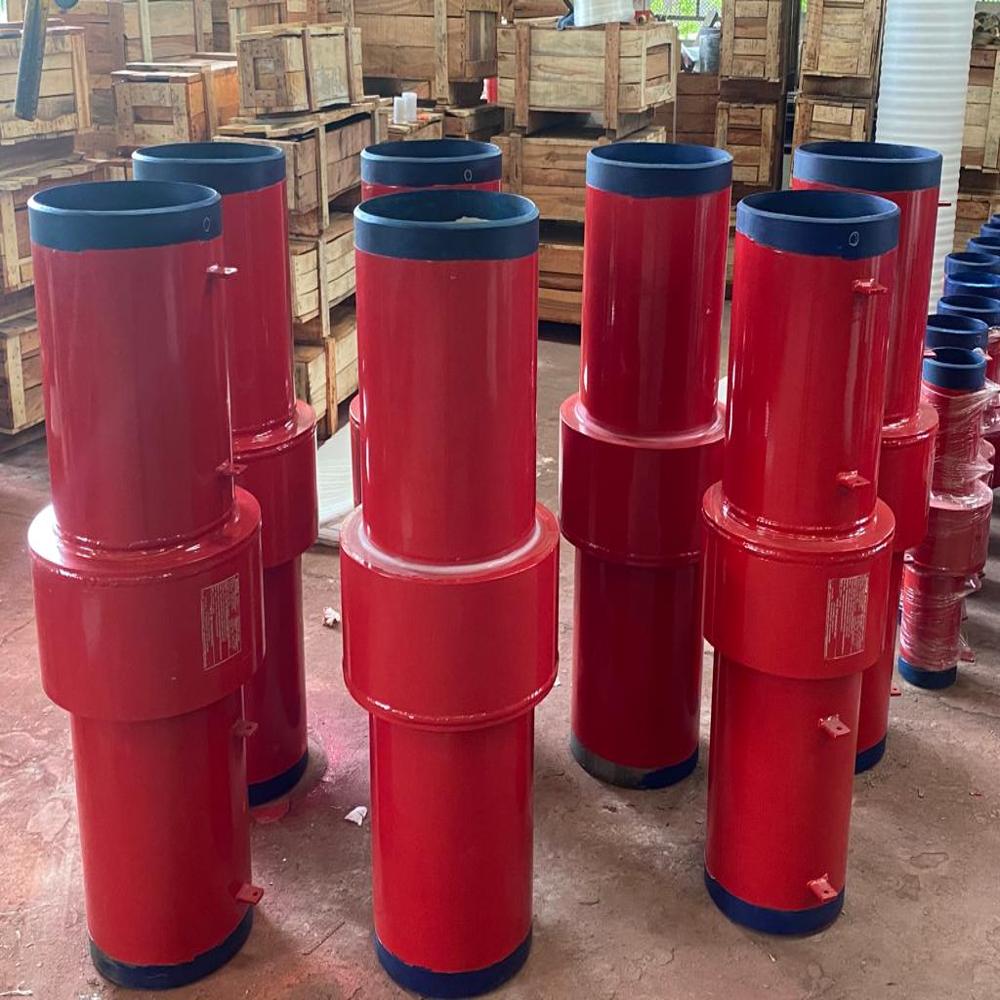
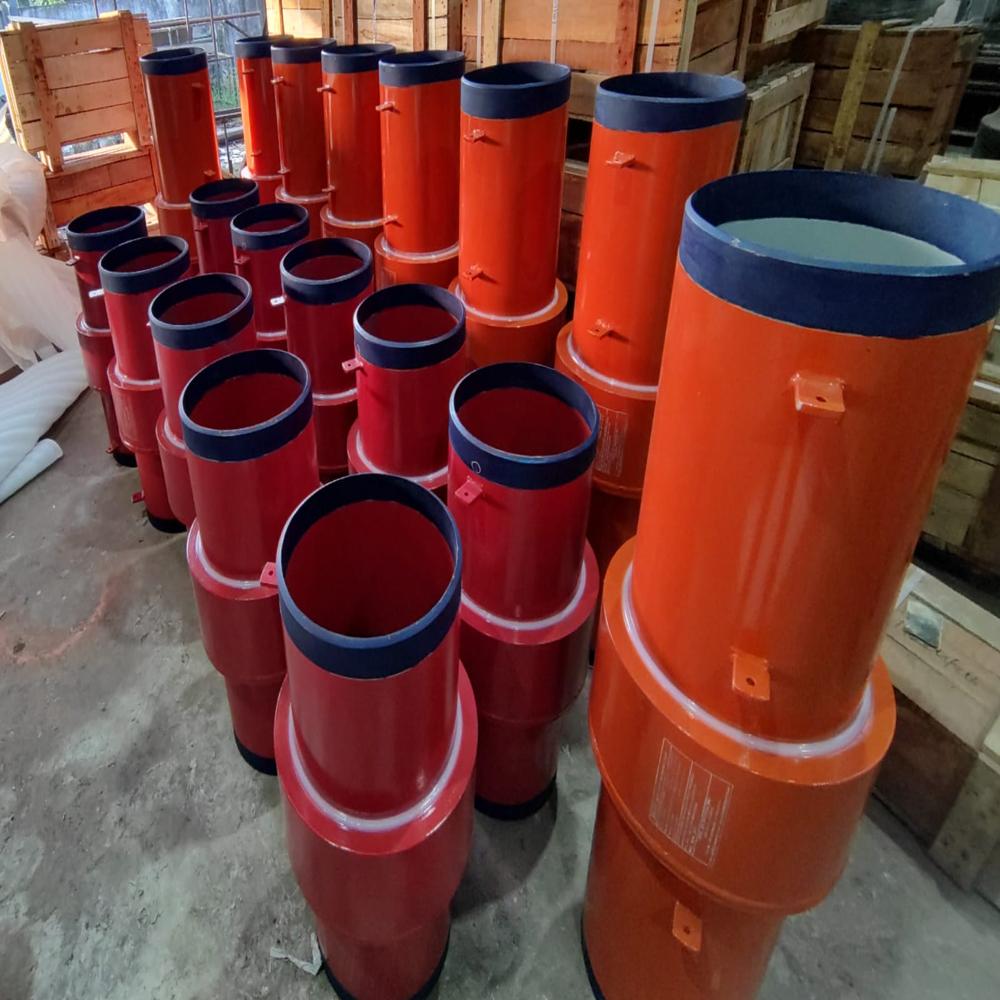
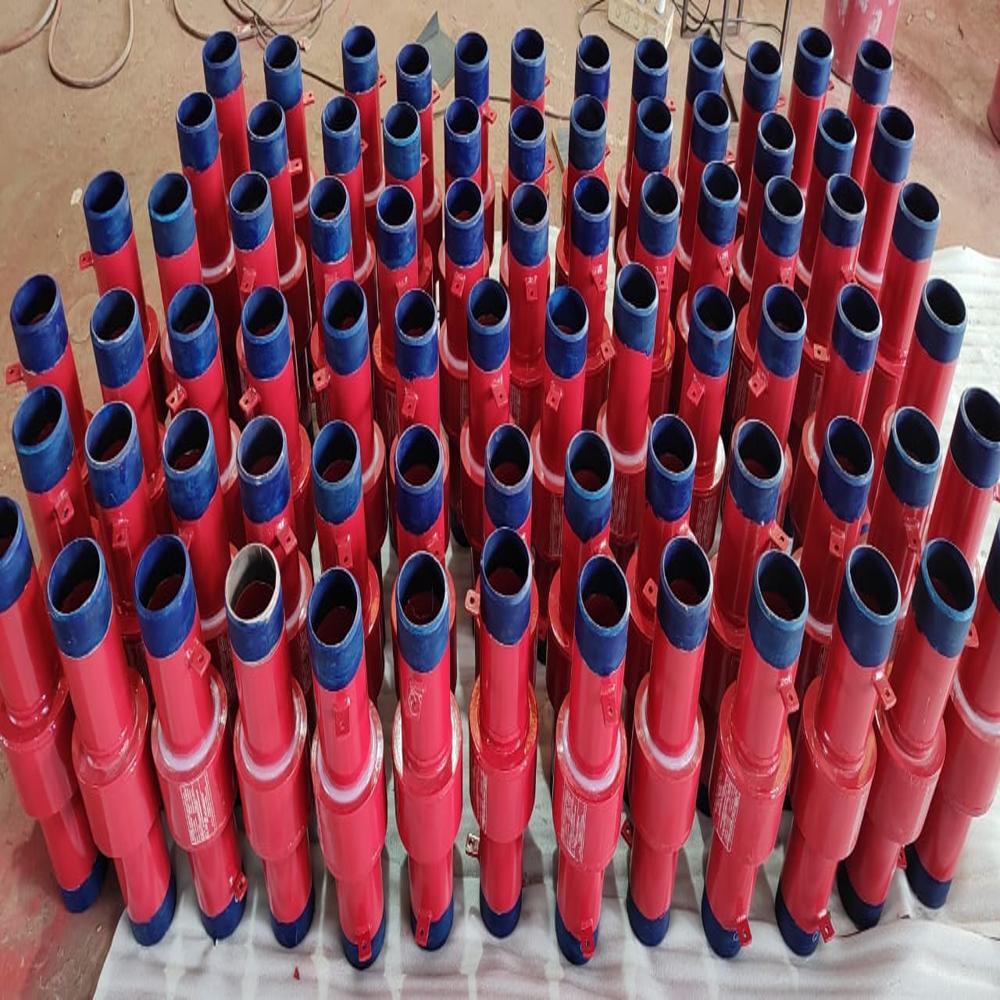
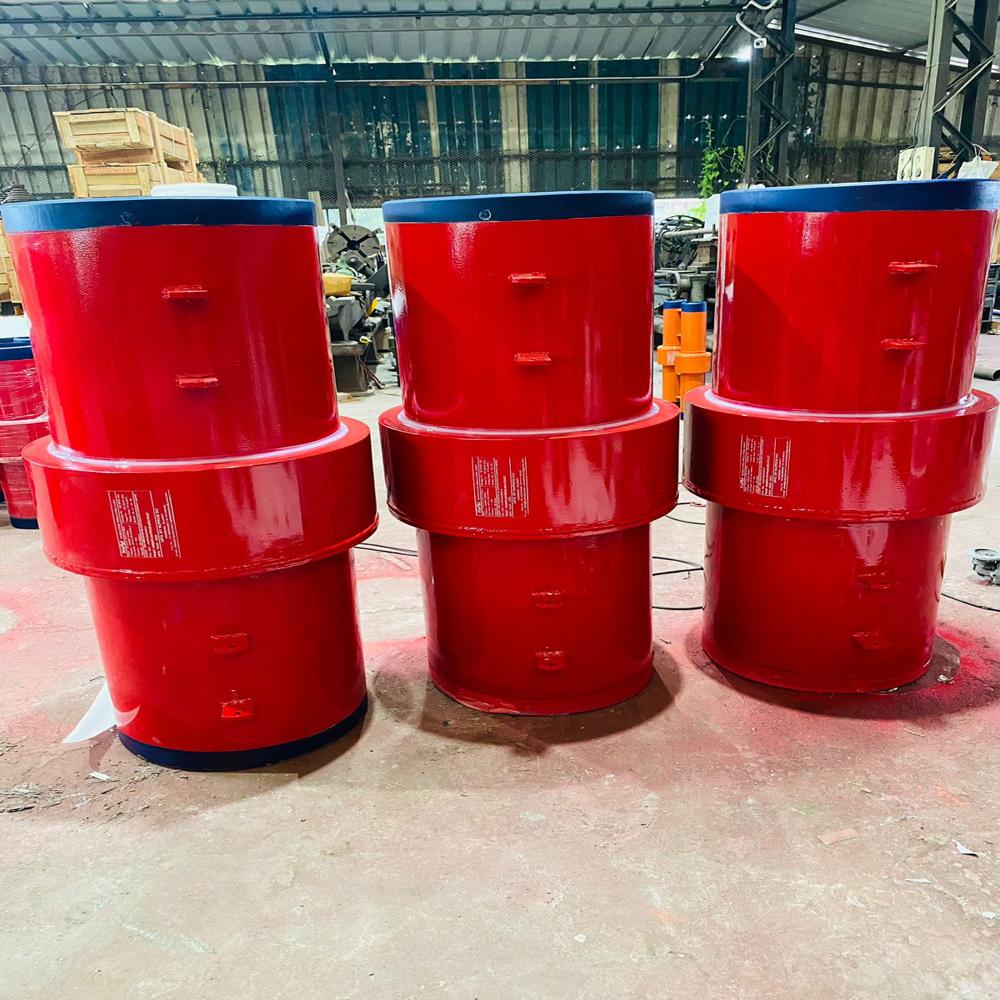
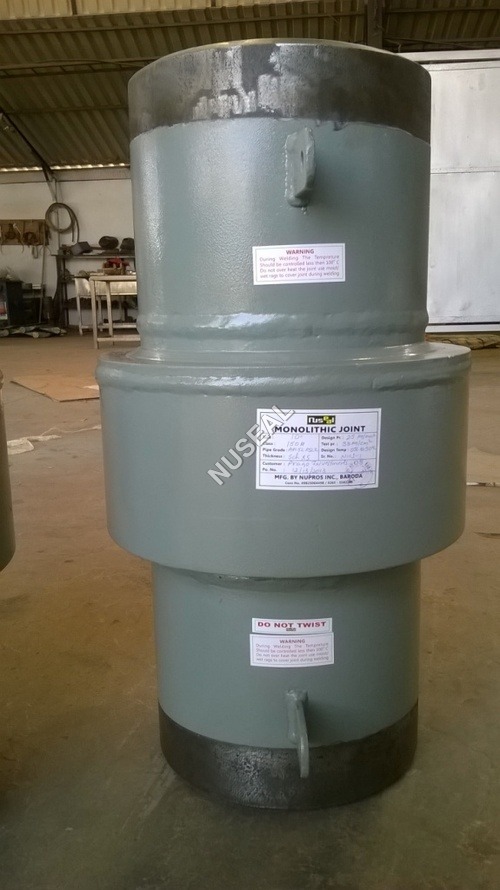
Backed by rich industrial experience, we are able to manufacture and supply our clients a broad range of Monolithic Insulating Joint. These are used to positive leak proof, long lasting block against the flow of electric current in all piping systems and are widely acclaimed for their robust construction and resistance against corrosion. The offered joints are manufactured by our experts using excellent quality material as per the latest industry developments. Apart from this, the offered Monolithic Insulating Joint are made available to the clients at market leading prices.
Features of Monolithic Insulating Joint:
- High strength
- Robust design
- Corrosion proofSpecification
Product Specification
|
Usage/Application
|
Cross Country Pipelines
|
|
Color
|
As per Client Requirement
|
|
Brand
|
NUSEAL
|
|
Max Withstanding Temperature
|
0 Deg. C to 90 Deg. C
|
|
Size
|
As per Client Requirement
|
|
Thickness
|
As per Client Requirement
|
|
Electrical Conductivity
|
Excellent electrical Isolation
|
|
Country of Origin
|
Made in India
|
Robust Electrical and Mechanical IsolationDesigned for pipeline isolation where high electrical resistance and low thermal conductivity are crucial, these joints prevent unwanted current flow and mitigate corrosion risks. Their robust construction withstands harsh environments, withstanding aggressive chemicals and extreme temperatures from -40C to +120C, providing long-lasting reliability and safety in pipeline systems.
Customizable to Specific Pipeline NeedsAvailable in sizes from 2" to 48" (DN 50 to DN 1200) and custom configurations, these joints accommodate diverse pipeline requirements. End connections include butt weld or flanged as specified, with insulation gaps and sealing materials adapted to match pipeline specifications. Surface treatments and colors are also customizable, ensuring seamless integration into existing infrastructure.
No-Maintenance, Long Service LifeWith a design focused on durability, each isolation joint is engineered for a minimum service life of over 30 years under normal conditions. The double sealing system and high resistance to corrosion render them virtually maintenance-free, reducing downtime and contributing to overall cost savings throughout the pipeline's operational lifespan.
FAQ's of Monolithic Isolation Joints:
Q: How are Monolithic Isolation Joints installed in a pipeline system?
A: Monolithic Isolation Joints are welded directly into the pipeline or joined using flanged connections. It is crucial to ensure proper alignment and maintain the specified insulation gap during installation to guarantee effective electrical isolation and sealing.
Q: What advantages do these joints offer in aggressive chemical environments?
A: These isolation joints are constructed with high chemical resistance, utilizing materials and coatings such as Fusion Bonded Epoxy or Polyurethane. This ensures longevity and protection against corrosion or deterioration in aggressive environments, including petrochemical, oil & gas, and water supply pipelines.
Q: Where are Monolithic Isolation Joints commonly used?
A: These joints are vital in pipelines requiring electrical isolation, such as cathodic protection systems. Typical applications include oil & gas transmission, water supply networks, and petrochemical industries, where preventing stray current and corrosion is essential.
Q: What is the maintenance requirement for these joints?
A: Monolithic Isolation Joints are designed to be maintenance-free. Their robust double sealing and corrosion-resistant construction means they continue functioning efficiently for over 30 years without routine maintenance under normal conditions.
Q: What process ensures electrical isolation in these joints?
A: Electrical isolation is achieved through precision-engineered insulation gaps (3mm to 14mm) and advanced sealing systems. Materials with low thermal and electrical conductivity are used, resulting in over 10 M resistance at 1000 V DC and a breakdown voltage of 15 kV.
Q: When should a custom-designed isolation joint be considered?
A: Custom design is recommended when standard sizes, thickness, insulation gaps, or end connections do not fit specific project requirements. Manufacturers provide customization to accommodate unique operational demands or challenging installation conditions.
Q: What are the key benefits of using Monolithic Isolation Joints in a pipeline?
A: The main benefits include enhanced corrosion protection, electrical isolation, maintenance-free operation, long service life, double sealing, and adaptability for aggressive or unique environments. These features ensure safer, more reliable pipeline operations with reduced risk of failure or leakage.






 Send Inquiry

 Send Inquiry

 Send Inquiry
 Send SMS